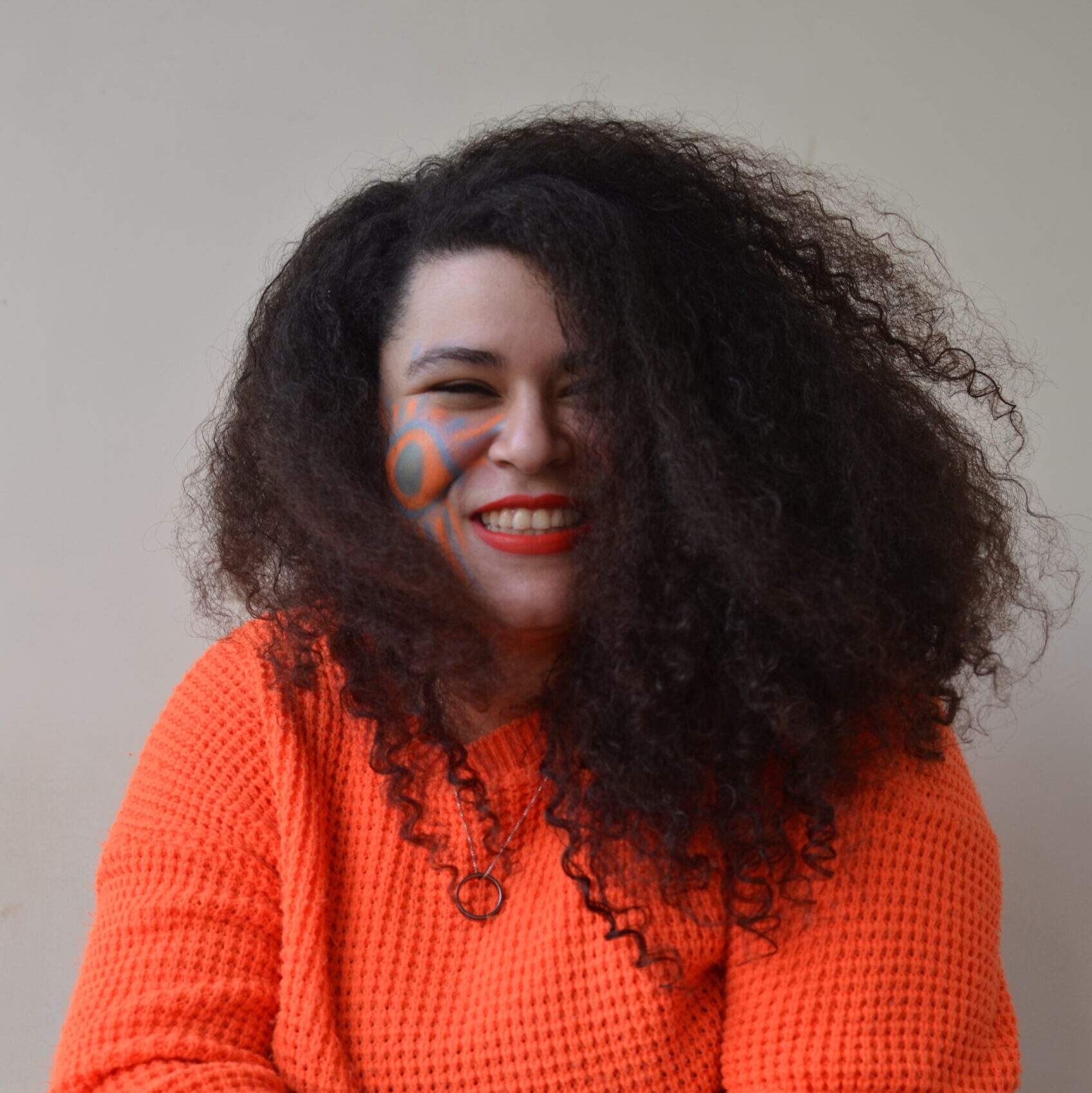
Editorial Note: Nour Kamel was a finalist for our Editors-in-Chief position for our 2026 Community Anthologies. We invited our finalists to write a short piece on the topic of their proposed anthology. Below, get insight into “On (Mis)remembering,” the anthology topic that Nour had proposed for their Community Anthology.
“Memory (the deliberate act of remembering) is a form of willed creation. It is not an effort to find out the way it really was ― that is research. The point is to dwell on the way it appeared and why it appeared in that particular way.”
— Toni Morrison, from “Memory, Creation, and Fiction” in The Source of Self-Regard: Selected Essays, Speeches, and Meditations
Pops said things that would literally get at the core of me, things his mind was connecting in ways I couldn’t. A retired electrical engineer telling me god was sending him messages through RCA cables. As a poet, it was difficult to convince both myself and Pops that this was, most likely, not true. That, in either case, we should put the cables back into the TV. God would find another way to talk to him if he really needed to, I consoled him.
When you care for a loved one with dementia, sometimes they speak in metaphors that exist in the confusing, the poignant, and the literal simultaneously. I was raised in Egypt by an Egyptian mom and a Mexican American stepdad I called Pops. I cared for him the last five years of his life as he experienced dementia and the loss of most of his cognitive abilities, but his memory was mercurial. Pops couldn’t tell you what day it was, but he knew who his loved ones were, the lyrics to every song he grew up with, whole histories of his favorite actors. After his death, I had no tangible claim to the man who raised me — only memory.
And how flooring and fallible memory is. Like a small child tantruming at a loss, I’ve arm-wrestled my misremembering: his favorite flavor of ice cream, happy memories contested by my siblings, the place and shape of the mole on his face.
If I hadn’t lived with Pops’ dementia so intimately, those feelings of guilt, shame, and doubt that were bred — that still rear their head occasionally — would have felt devouring. My relationship to memory changed. I began to reckon with misremembering as an act of creation, dwelling on why exactly memory skews. Not into the realm of pure forgetting, but this liminal, not-quite place.
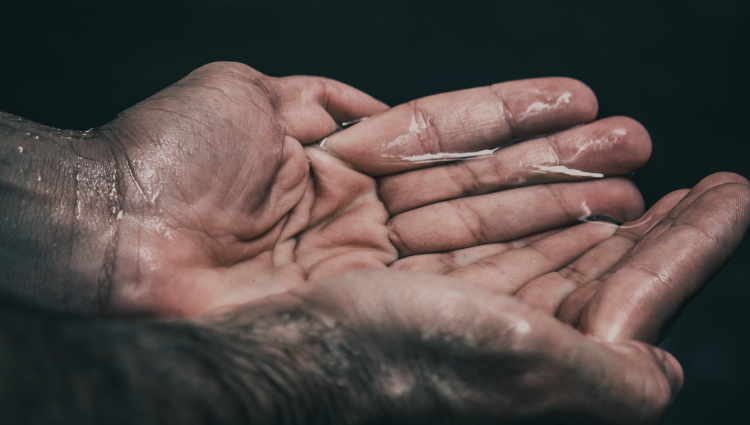
Forgetting is positioned as a forgivable human lapse; it happens often and we move on without berating ourselves or others much if the consequences aren’t too dire. Misremembering is different. To misremember feels like betrayal, failure. The literature, apps, and games on how to better utilize, hack, and train your memory is testament to this. Memory is painted as a transient, fickle, unreliable thing. We use the language of “fixing” something that isn’t inherently broken, but rather moves like water. What is the weight of the labor entailed in trying to hold something shaped like water, of trying to hold onto something as soon as it’s done?
Toni Morrison’s famous quote, “All water has a perfect memory and is forever trying to get back to where it was,” is a poignant, layered metaphor taken from how water literally moves, filling up spaces it has always known or knew. Does water also misremember, going wherever it wants, wandering and being ungraspable? There is no one and nothing to remind or correct it. Misremembering can be done on purpose, too, as much as we want to believe memory just slips through cracks and leaks.
What is lost, gained, and reinvented in the haze of memory, when the act of remembering isn’t prescribed? When we dilute it down to ability, we lose track of the plethora of meanings behind the act of memory-making, the deliberate act of remembering, as Morrison says, for whatever our reasons may be. And none of us will ever remember something accurately, let alone the same way, as each other.
We remember, and remember, and eventually, we misremember too. Through remembering with each other, we become many. Collective memory, multiple narratives that expand and contradict, preoccupy me. There’s only a handful of people left who knew Pops, and they encompass just my family now.
For our entire lives, my very Muslim mom went along with Catholic-raised Muslim-convert-but-actually-agnostic Pops’ Christmas celebrations. A decked out tree, Bing Crosby, piles of gifts he never got to have, and of course, a Christmas dinner my mom perfected year after year, adding her own Egyptian twists of baba ghanouj and ruz bil khalta. I wasn’t sure how we’d get through that first Christmas without him, but we gathered at her house and celebrated, and have every year since — to celebrate Pops, with much food and Christmas carols both Muppets and Magoo.
How can we extend and reframe misremembering into an act of reclamation and reinvention of traditions, cultures, and histories lost to genocide, migration, war, and time? Living in Egypt these last few, long years, has meant witnessing firsthand what the decimation and uprooting of communities in Palestine and Sudan has entailed as they seek refuge here and attempt to rebuild life.
The grace and allowance to misremember allows a path of re-creation, renaming, survival, and a playfulness so necessary for surviving profound loss, both personal and collective. We can honor our loved ones, our homes, names, whole lineages and our lands even if all we have are fragments, even if it’s a different body of water we remember with.
Researchers have come late to what Morrison knew, that the act of remembering is imperfect. There is no imprint of a memory in our minds that we reliably go back to time and again, but rather, the very act of remembering is one of active re-creation, one that allows for mistakes, fuzziness around edges, colors shift and change. With Pops, our conversations became gymnastics of imagination — I learnt to lean into his world and way of seeing, to play with him, rather than dispute whatever reality is.
We are constantly in negotiation, constantly reformulating our relationship, with our memories. They are living things, as much as we are, as much as the water that flows through and abounds us. I wanted the heart of this piece to be about metaphor, water, and memory. Maybe, in trying to grasp any of them, it is.