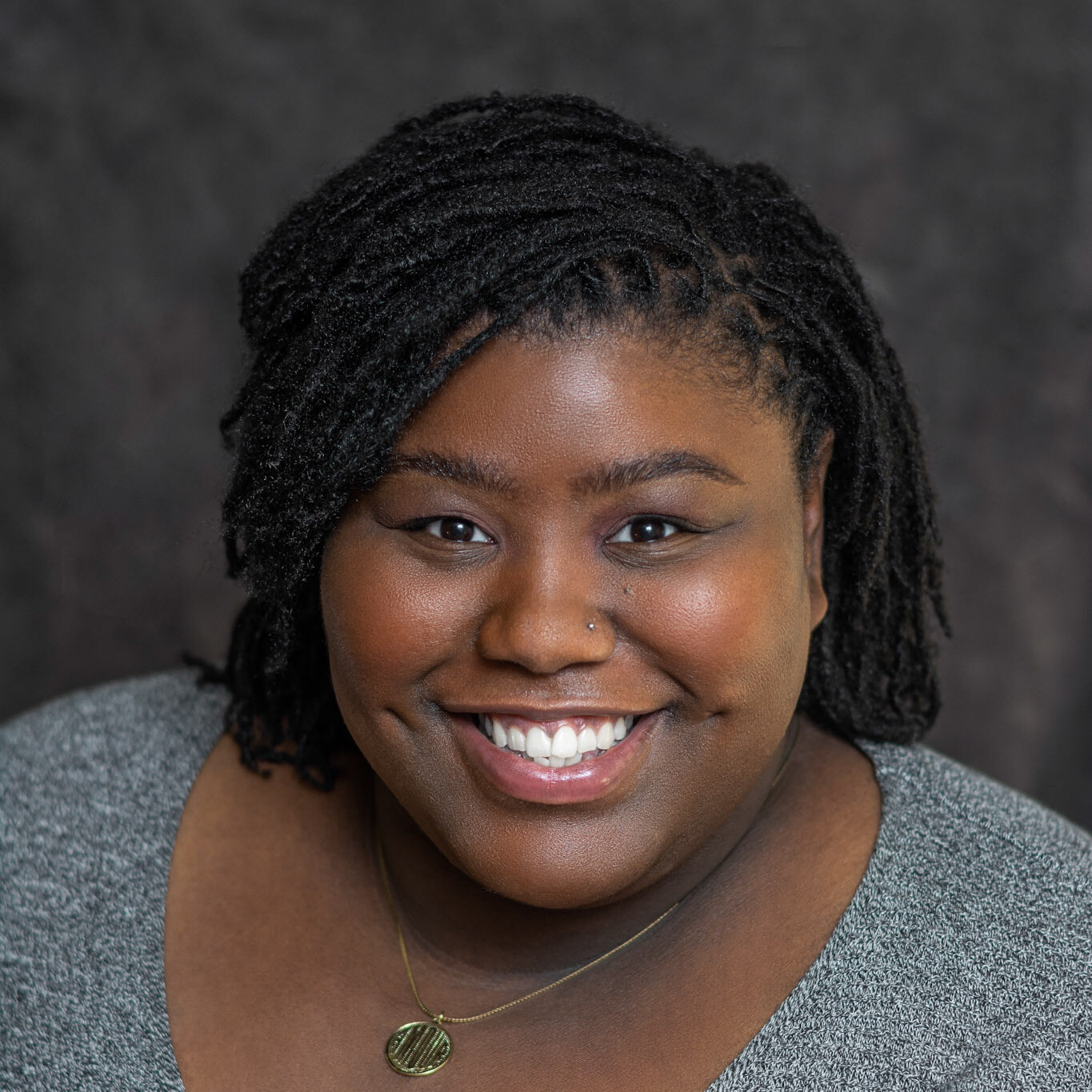
Editorial Note: E.A. Noble was a finalist for our Editors-in-Chief position for our 2026 Community Anthologies. We invited our finalists to write a short piece on the topic of their proposed anthology. Below, get insight into “On Folks,” the anthology topic that E.A. had proposed for their Community Anthology.
Folklore. Folktales. Folklife. Kinfolk.
Ancestral storytelling and traditions shaping present narratives, reclaiming the past, and forging brave new worlds for the next generations.
Why is this important? Because the whitewashing of history robs us all.
“History is not the past. It is the present. We carry our history with us. We are our history. If we pretend otherwise, we are literally criminals. I attest to this: the world is not white; it never was white, cannot be white.”
— James Baldwin
In today’s climate, there is widespread data suppression, the removal of environmental science reports, and DEI and identity purges related to diversity, equity, and inclusion from federal websites. Under the 2025 executive order, “Restoring Truth and Sanity to American History,” the Department of the Interior has flagged or removed hundreds of items. This includes the erasure of slavery and civil rights history at places like Fort Pulaski, Stones River, and the Selma to Montgomery Trail. Indigenous and multicultural histories are also under threat. For instance, Denali, North America’s tallest mountain, was reverted to Mount McKinley on official federal maps in January 2025, which erases the traditional Koyukon Athabascan name. Yellowstone and the Grand Canyon have removed land acknowledgments from their plaques.
And the list goes on.
In order for a country to be colonized, the colonizers must rip out her tongue.
Before the written word, before language as we know it, oral storytelling was the oldest form of human communication. Storytelling across cultures connects the past, present, and even the future. It gives listeners hope for what is to come and warnings of what may happen if we forget.
This conversation isn’t race specific. This is about remembering the world before “whiteness” flattened us down into the same copy-and-paste blueprint for easy consumption. Where were your people before the empire’s arrival? What did they believe? Who did they worship? What traditions have been lost, sold, exploited, or deemed “bad” because a colonizer said so? In the words of the great Black American proverb, “Who yo’ people?”
For colonial rule to work, it must convince us that our ways are barbaric and that the only true path forward is to erase the self and kneel to a regime that claims to be all-knowing, all-seeing — pure.
On Folks is us reclaiming our narrative, refusing to be written out of our own history. We fight not only through legislation, but by passing on our traditional stories that hold our identity.
In Black American culture, storytelling has always been about survival. Stories morphed into folktales and folklore as my ancestors escaped to freedom. Families that “turned into birds and flew” hid secret directions for freedom routes. Stories were sewn into quilts. The wagon wheel pattern, for example, signaled that someone was willing to transport escapees.
Storytelling is our lifeline, stored in our genetic code.
In the present day, the histories we have fought so hard to preserve are being threatened again. More than ever, our communities must rely on storytelling, folklore, and folktales. We must remember the stories of our kinfolk.
Many of us are watching the last generation of elders pass away. Those who lived through wars, famine, segregation, civil rights, internment camps, and assimilation boarding schools. Who will tell their stories? We must combat erasure by refusing to let our tongues be cut out. Silence, compliance, and subservience have never saved us, and they will not protect us.
They have named our streets after white supremacists. They have painted over our memorials. They have carved their names into our mountains and named our landmarks after bigots. They do this because they bank on us forgetting our history, traditions, the names of our heroes, the rightful names of our lands, the rightful names of ourselves. They expect our stories to die with the last generation who remembers them.
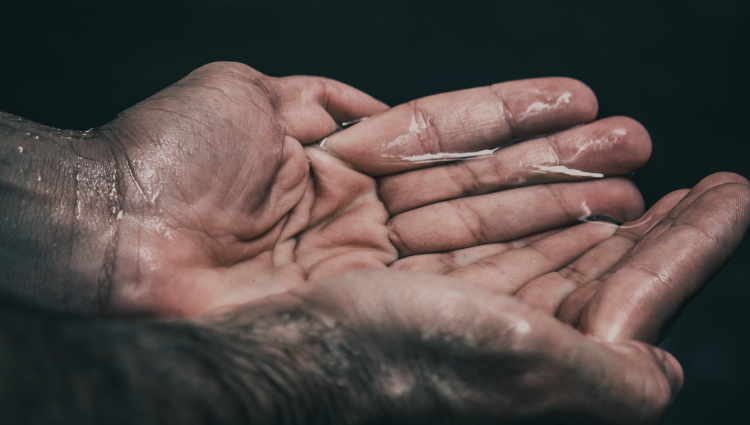
My mission is to build bridges across the diaspora of BIPOC communities within systems that depend on our isolation, our distractions, and whitewashed narratives to divide us. We are not islands. We are not the minority. We are not fighting this battle alone. We are nations. We are the global majority. We are hands and hands and hands of peoples united to make this world better by embracing our cultures, traditions, histories, and the magic of story.
Forgetting is our first death.
We must remember.
On Folks reaches into our communities and takes back our narratives.
In my writing career, I often say, “Take back our narratives,” because it is deeply personal to me. Right now, I’m watching my grandmother, who helped raise me, live through dementia. I watch her forget names, places, people, history, herself, me.
That loss places a fire in my heart I cannot ignore.
If we forget, if we fail to pass down our knowledge, wisdom, culture, and stories to the next generation, then we risk nations, governments, and biased historians telling our stories, reshaping our narratives, and mass-producing them for the world. We risk hearing the same lies repackaged across generations: that we are uncivilized, less intelligent, less human, forever measured as fractions of people rather than whole. We know where that rhetoric leads. We have lived it before.
Let’s take back our narratives! We must remember our folklore, our folktales, our folklife, and our kinfolk. Our history is in our DNA, but our connection to that DNA is being severed, generation after generation. There are too many of our youth who don’t know who they are or where they come from. In order to teach them, we must teach ourselves.
For those who feel as though their tongues have been cut from their mouths. Those who feel erased. Remember your history. Study your history. Speak the stories colonization attempts to erase. Speak the names they try to bury. Then pass them down, down, down, down, from mouth to mouth, ear to ear, hand to hand, heart to heart. May we all find power in the words of On Folks.
An ancestral conservation of the collective.