PACIFIC HOMING

老家 are the characters: old and home. Which is better translated as one’s “ancestral home”. The 老家 is the place and community where your lineage can be traced. It denotes your place of origin, a native land.
太平 are the characters: grand and peace. 太平 is the name of my ancestral home. This is where my paternal grandfather is from and where my lineage has been traced for over twenty generations in our 家谱 (family book of genealogy).
I grew up at the foot of the mountains where my 老家 is, so I have visited often with my grandparents. Although the migration of peoples is inherent in the history of the world, the Han Chinese people have been rooted for thousands of years within their lands. This is the case for my paternal and maternal lineage, making my parents’ departure the first instance of intercontinental migration in centuries.
Pacific Homing

I have always yearned for a home that could transcend geography. A home that I could carry with me, that I could hold onto. Something stable in my instability.
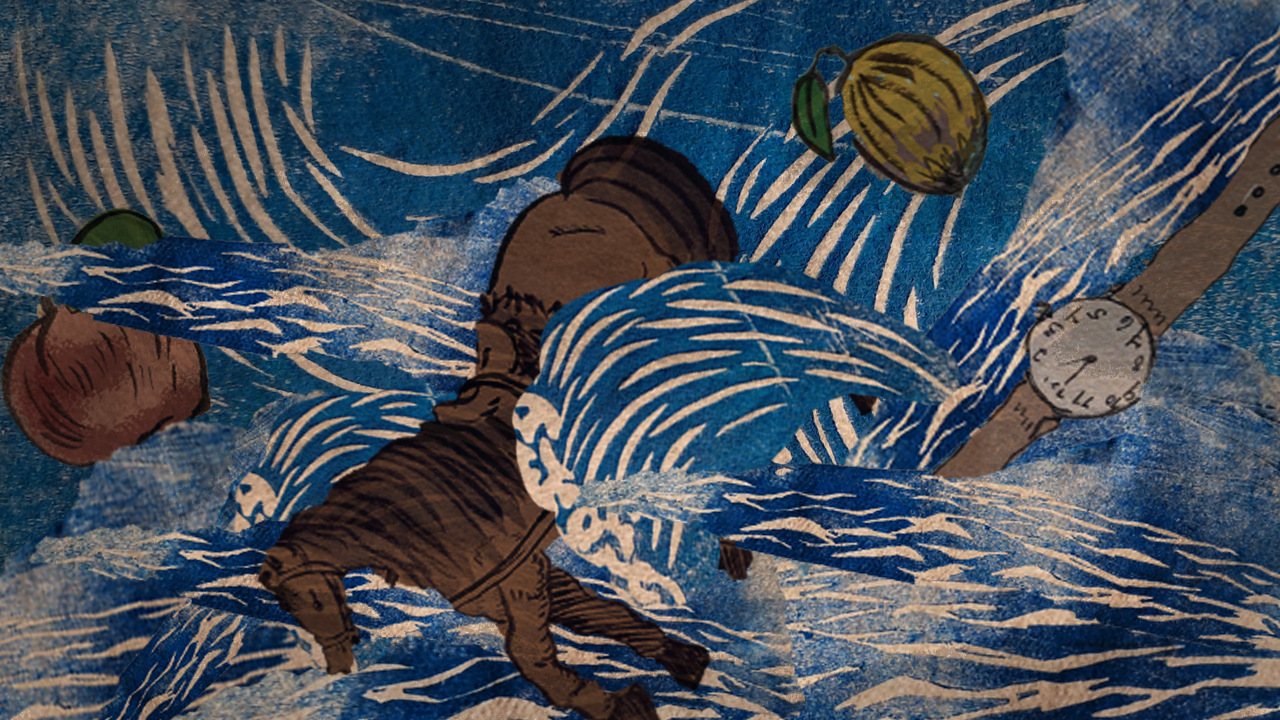
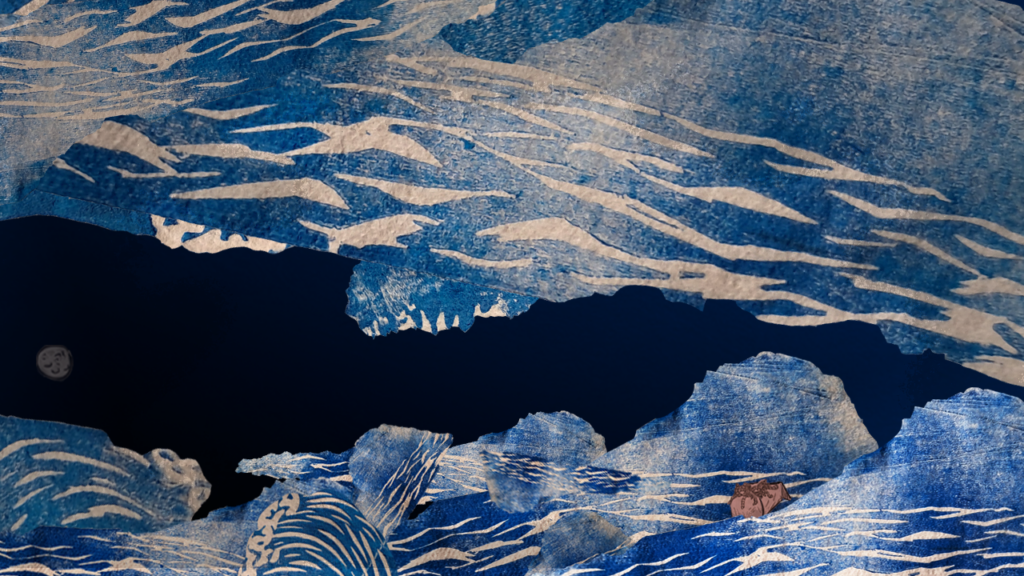
When I stepped into the Pacific Ocean, my yearning was received with a reply. I felt the shores of home rush me from across the ocean.
I saw the rift that had formed twelve years ago, and this time I was standing knee-deep in its salty reserves.
I took a big breath of the sea breeze and exhaled it into a cry.
For the first time, I let myself be awed by its beauty and marvel at its depth.
Interestingly, or perhaps serendipitously:

My hometown, 太平, shares the same two characters used for the Pacific, 太平, in Mandarin Chinese
Of Balconies and Sunday Blues
Sunday afternoon tea with 奶奶, hand shadow puppet shows, homemade rice wine and drying meats, and cakeboxes filled with worms for fishing.
Every boom of the Spring Festival fireworks.

Forever unreachable after one Summer morning of goodbyes.
I would dream of the balcony. Finding myself there,
surrounded by those tinted windows casting a hue so radiant that
everything became the warm blue of a Sunday afternoon.
With no one in sight, a closeness creeps towards me.
Then the burgeoning immediacy of my mother’s presence.
An impression, the glimpse of a specter in the light.
Now it’s all I have to show for my childhood home.
An impression, the glimpse of a specter in the light.
A world away. 7,500 miles away. Aways away.
I am to embody everyone, the bridge that tears away at the daunting distance.
Every glance at the moon, every sip of rice wine, every misty morning, every cup of 毛尖 green tea. Every dream lulled by rainfall.
Closeness must become of me.
For a moment, it is as if I were only ever that passing specter drifting on the balcony of my childhood home.

Goodbye, Welcome.
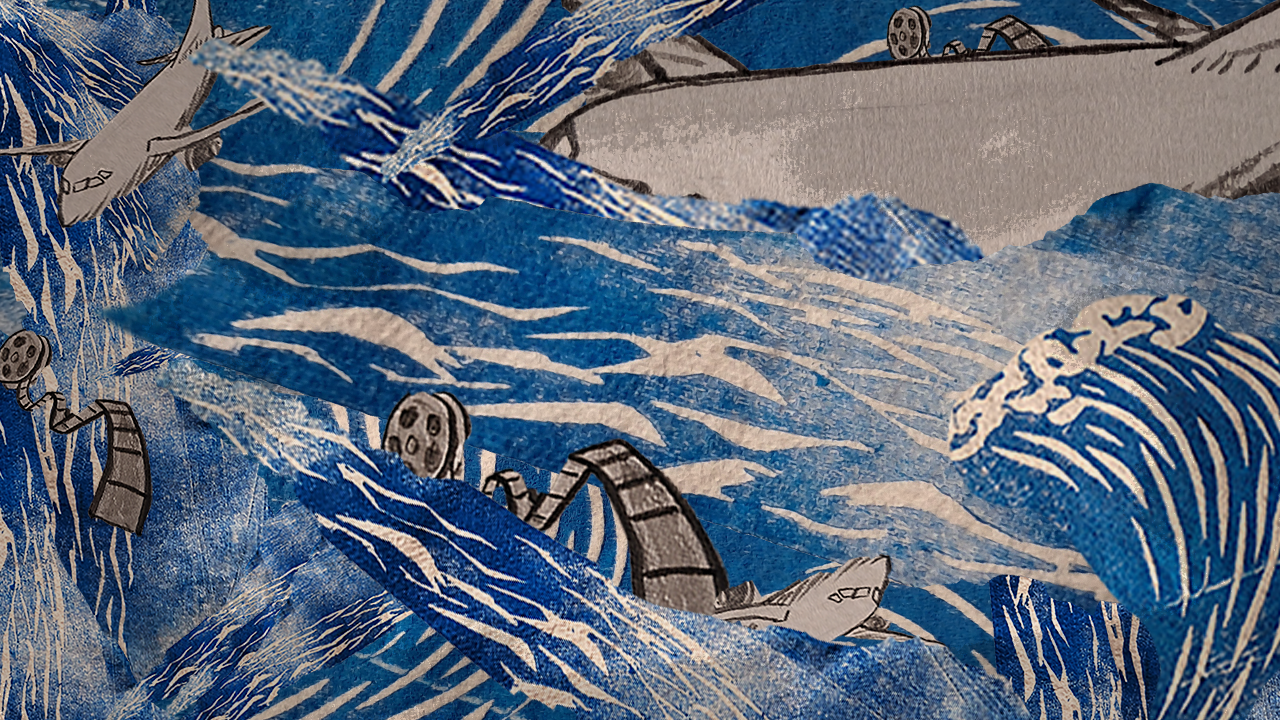
When my friend drove me to the airport for my flight to China, he sent me off with a ceremonious song about going home. Soaking in the beautiful LA sunset, I let myself get lost in the melody.
“Goodbye L.A. I’ll see you soon. Goodbye L.A. I’m going home, for now.”
I suddenly realized, the alarmingly obvious: I’m going home. for now. only now. Finally now.
In Chinese, when we return to the homeland, we use 回国 (return to country). That had become my narrative for this trip, so much so that I neglected to acknowledge the trip as coming home.
15 years of away, I had finally found a home on foreign grounds.
15 years of homing somehow made my homecoming unapparent.
“Safe trip home,” my friend said while embracing me outside the airport.
From the language I said to the aches in my body: “I’m going home.”
My grandma received me with tears in her eyes and a slap on my shoulder:
“哎呀,琪琪! 终于回家啦!” // “Aiya, Qiqi! You’re finally home!”
Her words echoed as we embraced.
Home is leaving with a goodbye and returning to a welcome.