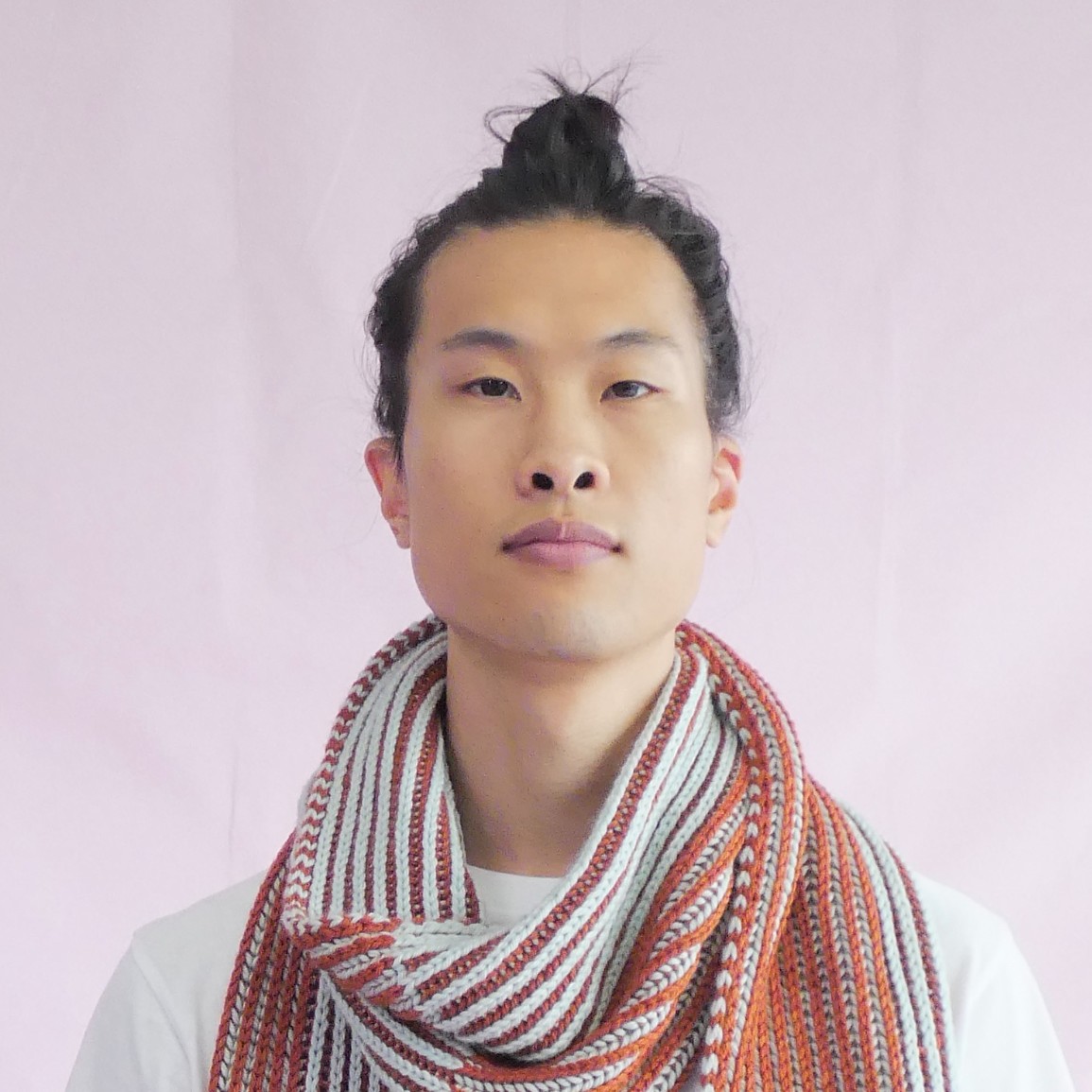

Chris Karnadi was one of our Spring 2025 Digital Residents. As a part of this program, we do Q&As with our residents to feature them, their work, and their words. See our Q&A with Chris below, and explore more Spotlights here.
TSW: Tell us about your work, writing, or project. What are you writing these days? How is your work changing, and how is it changing you?
Chris Karnadi: I’m working on a few short stories alongside a novel. As a relatively recent convert to fiction writing, I’m still working on my voice and have found homes in speculative and experimental pages. I used to write more personal essays, but as I grew to value my privacy more, I turned to fiction. As a person who has lived multiple discordant lives, fiction feels like a place that I can bind together disparate obsessions without having to reveal more of myself than I am comfortable with.
TSW: Who do you bring into the room with you when you write, and/or, who do you consider your work to be in conversation with? Who are you writing for?
CK: I think I largely write for myself to stay alive, and I bring all of my friends and selves into the room when I write. I write to understand the experiences of my everyday life, of having something stolen, of guarding a bundle of balloons from the wind of an oncoming train, of kicking a ball into a goal just past the outstretched hand of a ‘keeper.
TSW: What were you processing during our residency program? Did anything unlock for you? If so, what new entrance did you find for your work or for yourself as a writer in the world? And what caused that shift?
CK: While processing the disappointment of not getting into desired MFA programs, the residency helped nudge me, gently, back into a writing routine. Listening to other talented writers across genres and places in their careers reminded me how much work I want to do to refine my fiction.
TSW: What motivates you to keep beginning, and/or, what is a story that gave you permission to tell yours?
CK: Good books motivate me to keep beginning. Witnessing the accomplishment of authors like Eugene Lim in Dear Cyborgs and Kiese Laymon in Long Division reminds me what can be possible in the world of fiction.
TSW: What is something that someone said — a fellow resident, a past mentor, perhaps something from one of the bonus sessions — that helped change the way you see your writing or work?
CK: In one of our bonus sessions with Ingrid Rojas Contreras, she described how she created a Pavlovian condition to write. She spoke about having a particular color of clothing that she wears when it’s writing time, and requiring herself to change out of that clothing if she decides to answer emails, use her phone, etc.
As a person that believes that our practices form our minds as much as our minds inform our practices, I’ve started to work some of that conditioning into my writing life. I close a particular door when it’s time to write, I write at a particular hour, I can’t move from my desk until I write for an hour. I understand that daily writing isn’t necessary or advisable for others, but for me, forcing my distracted brain and body to know it’s writing time, not time to check the news or answer an email, has been a relief.